Myths and Archetypes in the 21st Century
A Laboratory for Contemporary Performance Practice
with Avra Sidiropoulou
June 22 - 27, 2026
Um vinnustofuna „Goðsagnir og frummyndir í sviðslistum. Rannsóknarstofa í sviðslistasköpun samtímans“
Þessi vikulanga vinnustofa mun beina sjónum að aðferðum við aðlögun leikverka sem byggja á grískri goðafræði. Með því að nýta grundvallar lögmál sviðsetningar og skapandi skrif munum við kanna vinsælar goðsagnir og frummyndir (þar á meðal sögur úr grískri og norrænni goðafræði og íslenskum sögum) sem hafa lifað af menningarlegar umbreytingar svo öldum skiptir og fundið sér leið inn sviðslistir samtímans.
Þátttakendur fá kynningu á almennum þáttum goðafræði með áherslu á dæmi úr forngrískri og norrænni sagnahefð. Síðan verður fjallað um helstu aðferðir við aðlögun sagnanna, þar á meðal myndhverfingar og sjónarhorn. Þátttakendur verða hvattir til þess að vinna í hópum og skapa verk úr völdum goðsögnum sem þeim finnst eiga sérstakt erindi við leikhúsáhorfendur 21. aldarinnar. Þátttakendum verða látnar í té kveikjur og efni til stuðnings frumsköpunarvinnu sinni. Með því að blanda saman textavinnu, líkamsleikhúsi og samsetningu hvetur vinnustofan þátttakendur til þess að gera tilraunir undir faglegri leiðsögn þar sem farnar eru skapandi leiðir til að endurhugsa vinsælar frásagnir fortíðarinnar inn í sjónarhorn samtímans.
Skipulag vinnustofunnar
Vinnustofan er verkleg framkvæmd. Daglegar lotur eru 5 klukkustundir í senn og fela í sér:
Texta- og dramatúrgíu: lestur, rýni og umræður um valdar goðsagnir.
Leikstjórnarvinnu: áhersla á samhengi valinna goðsagna út frá hugmyndafræðilegri nálgun og rýmisvirkni.
Samsköpun: hópvinna þar sem sjónarhorn leikara og leikstjóra samþættast.
Samræður: umræður um samtímasviðsetningar og fræðilegan grunn aðlögunarferla.
Vinnustofunni lýkur með opinni kynningu þar sem brot úr sköpunarferli þátttakenda verða sýnd almenningi.
Vinnustofan er ætluð leikurum, leikstjórum, leikskáldum, leiklistarnemum og fræðafólki, sem og öllum sem hafa áhuga á goðafræði, sviðslistum, leikritun og aðlögunarfræðum.
Vinnustofan verður haldin í Þjóðleikhúsinu dagana 22.–27. júní kl. 10:00–15:00.
Snemmsrkáning gildir til 16 maí: 95.000 kr.
Almennt verð: 105.000 kr.
Skráningu lýkur 5. júní.
Athugið rétt til endurgreiðslu námskeiðsgjalda hjá stéttarfélagi.
About the workshop
Mythical figures from all cultures have been repeatedly taken on and expanded across various media and forms, varying from stage to film to video clips and comics. This week-long workshop will concentrate on strategies of adaptation and dramatization in the process of creating a theatre piece based on Greek mythology. Using fundamental principles of staging and creative writing exercises, we will explore popular myths and archetypes (including stories from Greek and Nordic mythology and the Icelandic sagas) that have survived centuries of cultural turbulence and made their way unscathed into the contemporary theatre world.
Participants will be briefly introduced to universal elements of mythology, focusing on examples from the ancient Greek and the Nordic traditions. We will subsequently discuss core adaptation strategies, including metaphor and point-of-view. Collaborating in groups, participants will be encouraged to craft their own interpretations of select myths, based on what feels particularly pertinent to the 21st century spectator’s experience. Participants will be provided with prompts and materials to support their original work which will be presented on the last day of the workshop that will be open to the public. Blending work on text, embodiment and stage composition, the workshop will encourage experimentation, offering expert guidance in creative ways to revisit popular narratives of the past through a contemporary lens.
Workshop Structure
The workshop will be practice-based, emphasizing learning through doing. Daily sessions (5 hours each) will include:
Text and dramaturgy sessions: close reading and interpretive discussion of select myths.
Directorial exploration: recontextualizing select myths through conceptual framing and spatial dynamics.
Collaborative devising: small-group work integrating acting and directing perspectives.
Seminar: discussion of contemporary stagings and theoretical frameworks related to adaptatory processes.
The workshop will culminate with an open presentation, where excerpts of their creative process will be shared with the general public.
The workshop is addressed to actors, directors, playwrights, theatre students and scholars and to anyone with an interest in mythology, performance, dramatic writing and adaptation studies.
The workshop will be held at the premises of the National Theatre in Reykjavík June 22 -27.
Workshop hours are from 10:00 - 15:00.
Early bird ends on May 16th, 95.000. ISK Regular price Regular price 105.000 ISK Registration end Registration ends on June 5th
Check with your union for refunding.
Bio
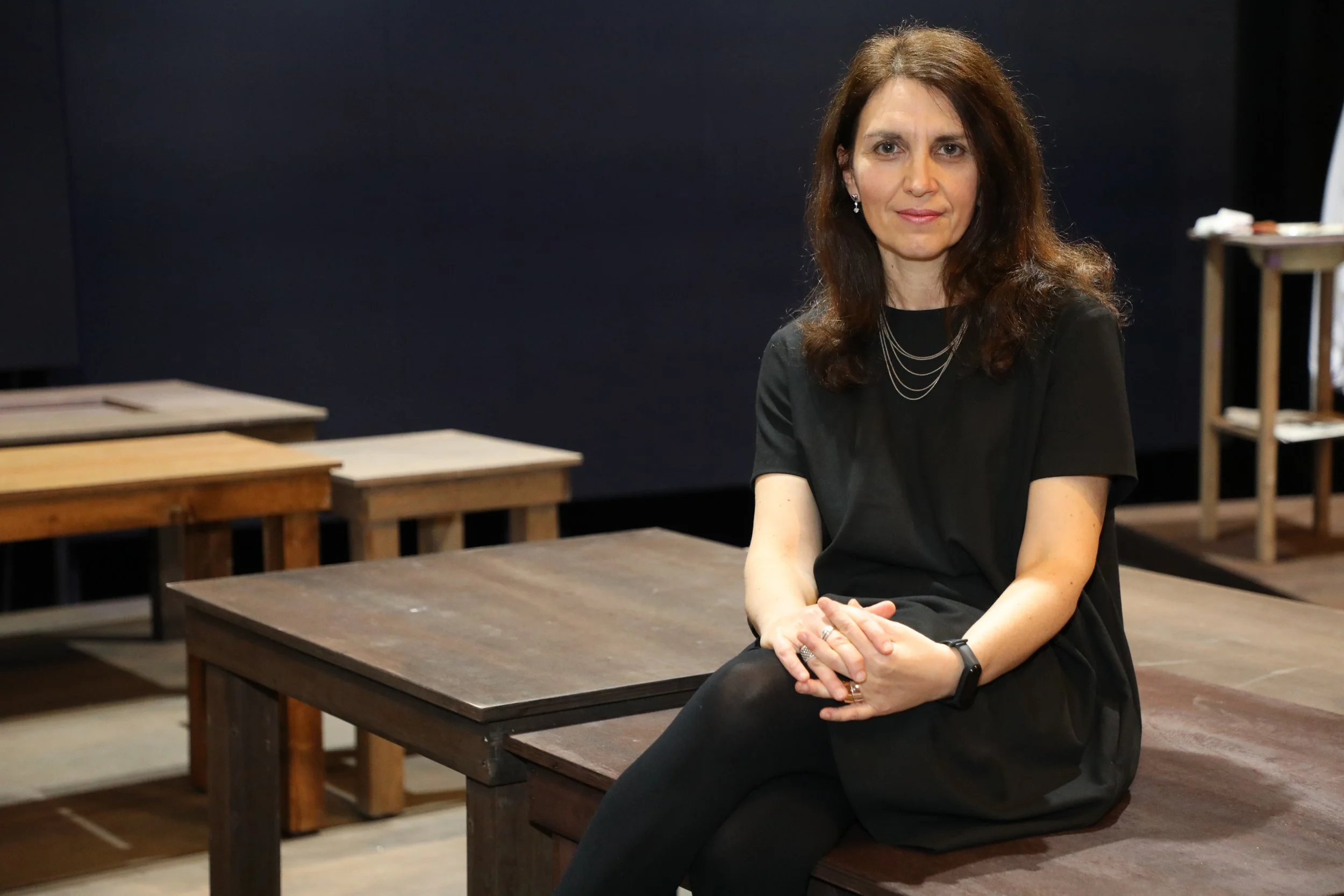
Avra Sidiropoulou is Professor of Theatre and Dean of the Faculty of Humanities and Social Sciences at the Open University of Cyprus. She is the author of Directions for Directing. Theatre and Method, (Routledge 2018) and Authoring Performance: The Director in Contemporary Theatre, (Palgrave Macmillan 2011). She is also the co-editor of Adapting Greek Tragedy. Contemporary Contexts for Ancient Texts (CUP 2021) and editor of Staging 21st century Tragedies. Theatre, Politics and Global Crisis (Routledge 2022) and co-editor of a special issue in Contemporary Director Training in the Theatre, Dance, and Performance Training Journal. Avra is an elected member of the Executive Committee of the European Association for the Study of Theatre and Performance (EASTAP) and was a Visiting Scholar at the Institute of Arts Barcelona, Columbia University, the Martin E. Segal Centre at CUNY, MIT, the Universities of Birmingham, Leeds and Surrey, the Institute of Theatre Studies at Freie University in Berlin and the University of Tokyo as a Japan Foundation Fellow. She is currently working on a new monograph entitled Challenge, Creativity and Resilience in Theatre Director contracted by Routledge (2027). Prof. Sidiropoulou is a professional director, founder of Athens-based Persona Theatre Company. With Persona and as an independent director, she has directed works from the classical and contemporary repertory. Her most recent directing works include Evridiki Perikleous’ The Commission at the Cyprus Theatre Organization (Nicosia 2026); Euripides’ Medea (at CISPA/Copenhagen Stage, Copenhagen 2025);Anton Chekhov’s Uncle Vanya at Dionysos Theatre (Nicosia 2023); Karen Malpede’s Troy Too at Here Arts Center (New York 2023); Sophie Treadwell’s Machinal at the Cyprus Theatre Organization (Nicosia 2022); Enter Hamlet (her own adaptation of Shakespeare’s Hamlet) at the Verona Shakespeare Fringe Festival (Verona 2022) and Phaedra I—(her text) at Tristan Bates Theatre (London 2019). She has lectured and conducted directing workshops, masterclasses and seminars on directing methodology, practice and ethics in various parts of the world, including Greece, the UK, USA, Italy, Denmark, Turkey, Lebanon, Estonia, Spain, Malta and elsewhere. Avra was nominated for the 2020 Gilder/Coigney International Theatre Award by the League of Professional Theatre Women in New York.
“Greek director Sidiropoulou, known for her innovative multimedia stagings of modern and classical texts, brings [the play] shockingly alive in an international production that cuts across languages and cultures.”
“The manipulation of art by power, the moral decline of society, the degeneration of value systems and their replacement by self-interest are just some of the intellectual territories explored. The direction by Avra Sidiropoulou further highlights the virtues of the play, leading to a calm escalation of an already doomed undertaking.”
“Can art save humanity? A terrifying world — yet real. Our world. Under Avra Sidiropoulou’s inventive direction, the text really took off.”
Approaching Chekhov Workshop with Brian Kulick, June 16-22´25
A workshop devoted to the dramatic universe of Anton Chekhov, focusing on scenes drawn from the Russian Master's four major works: The Seagull, Uncle Vanya, The Three Sisters, and The Cherry Orchard. Members of the workshop will be introduced to a series of techniques drawn from such theatrical practitioners as Stanislavsky, Michael Chekhov, and Maria Knebel to help understand and unlock the secret performative grammar of Chekhov’s plays. The work will culminate with an open rehearsal for an invited audience.
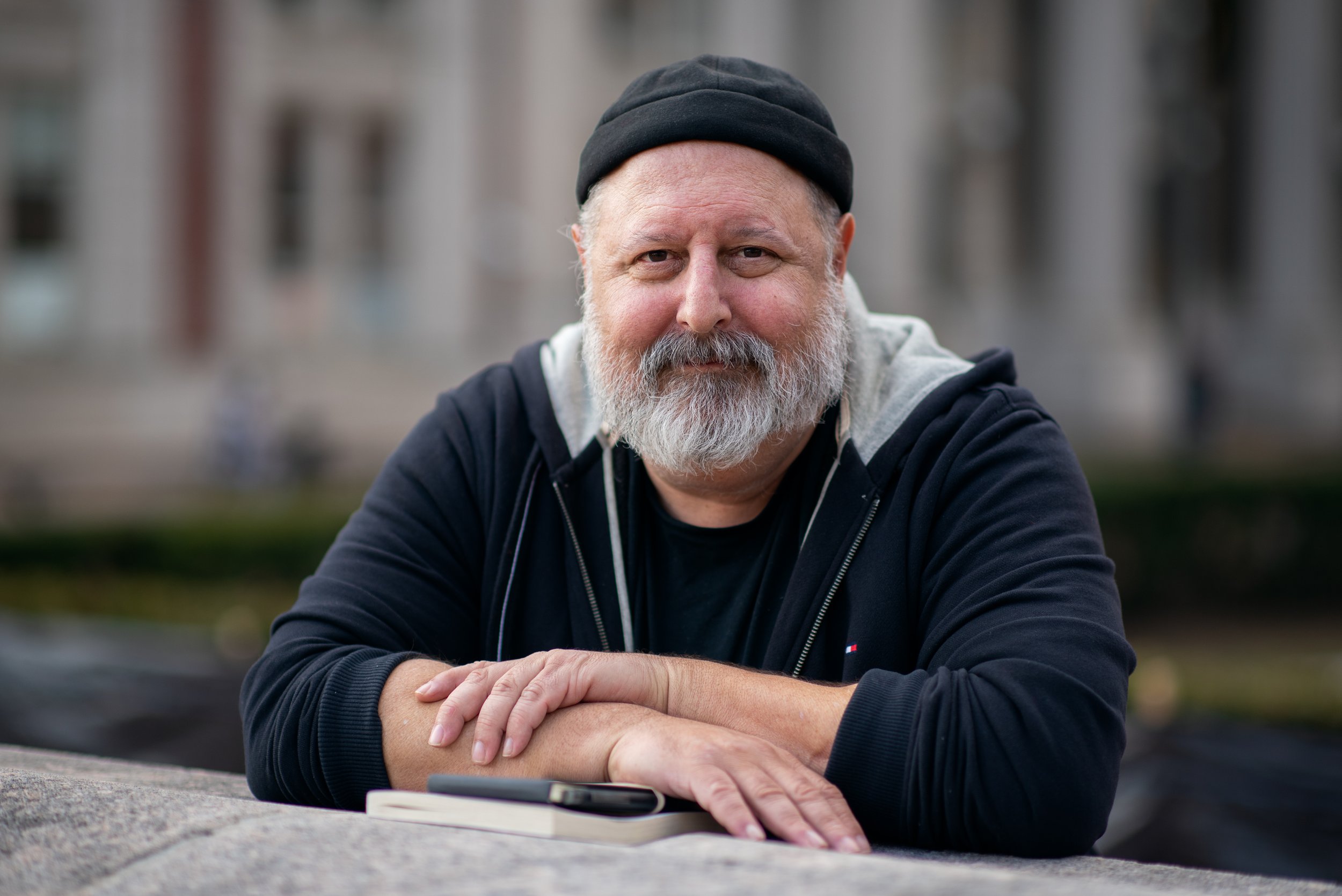
The workshop will be led by Brian Kulick, the Chair of Theatre Program at Columbia University’s School of the Arts. Mr. Kulick was also the former Artistic Director of The Classic Stage Company in New York City where he initiated the critically acclaimed Chekhov Cycle, providing audiences with a rare opportunity to view these works in the sequence in which they were originally performed and prompting critical praise.
Photo Joel Jares
Summer Solstice Workshop with Brian Kulick will be held at Dansverkstæðið ending with a public viewing at Tjarnarbíó, our collaborator.
Workshop hours are from 10:00 - 15:00 from June 16 - 22.
The workshop will be conducted in English and is for theatre artists, actors, performers, directors.
Age minimum 20 years.
Early bird ending on May 31st, 85.000 ISK
Price 95.000 ISK
Check with your union for refunding
Brian Kulick is a director, writer, producer, educator, and current Chair of the Graduate Theatre Program at Columbia University. He has been the Artistic Director of Classic Stage Company where he directed Galileo with F. Murray Abraham, The Tempest with Mandy Patinkin, and The Forest with Dianne Weist. He commissioned and co-directed poet Anne Carson's award-winning An Oresteia, collaborated with composer Duncan Sheik on productions of Brecht’s Caucasian Chalk Circle, Man’s A Man, and Mother Courage, and produced CSC's much lauded Chekhov Cycle (Ivanov, The Seagull, Uncle Vanya, The Three Sisters, and The Cherry Orchard) with Alan Cumming, Maggie Gyllenhaal, Ethan Hawke, Joley Richardson, Peter Sarsgaard, John Turturro and Dianne Weist. He initiated CSC’S Music Theatre Initiative and produced revivals of Stephen Sondheim’s Passion and Pacific Overtures. He also made CSC the home for playwright David Ives whose Venus in Fur transferred to Broadway and was nominated for a Tony Award for best play.
Prior to this, he was an Artistic Associate and then Associate Producer for the Public Theatre where he directed the New York premiere of Tony Kushner’s adaptation of A Dybbuk, as well as acclaimed productions of Twelfth Night, Winter’s Tale, and Timon of Athens at the Delacorte Theater in Central Park. Other notable works include: The premieres of Tony Kushner’s The Illusion (New York Theatre Workshop), Kathleen Tolan’s The Wax (Playwright’s Horizon), and Nilo Cruz’s Two Sisters and a Piano (The McCarter Theatre). His work has also been seen at The Mark Taper Forum, San Diego Old Globe, Berkeley Repertory Theatre, ACT Theatre, The Magic Theatre, and Trinity Repertory Theatre where he was the Associate Artistic Director. His work in opera and music theatre includes productions of Carmen, Pelleas and Melisandre, A Soldier’s Tale, The Anatole Cycle, and The Guilty Mother (all for Long Beach Opera), and a remounting of Gordon Davidson’s production of Benjamin Britten’s A Midsummer Night’s Dream (Los Angeles Opera).
He is the author of Staging Shakespeare (Methuen), How Greek Theatre Works, The Elements of Theatrical Expression, and The Secret Life of Theatre (all for Routledge). His most recent book, Staging the End of the World; Theatre in a Time of Climate Crisis, has just been released by Methuen.
DANCERS, ACTORS, MOVERS, ALL WHO WANT TO GET IN THEIR BODY - this is for you!

Butoh Dance Workshop with Ichihara Akihito
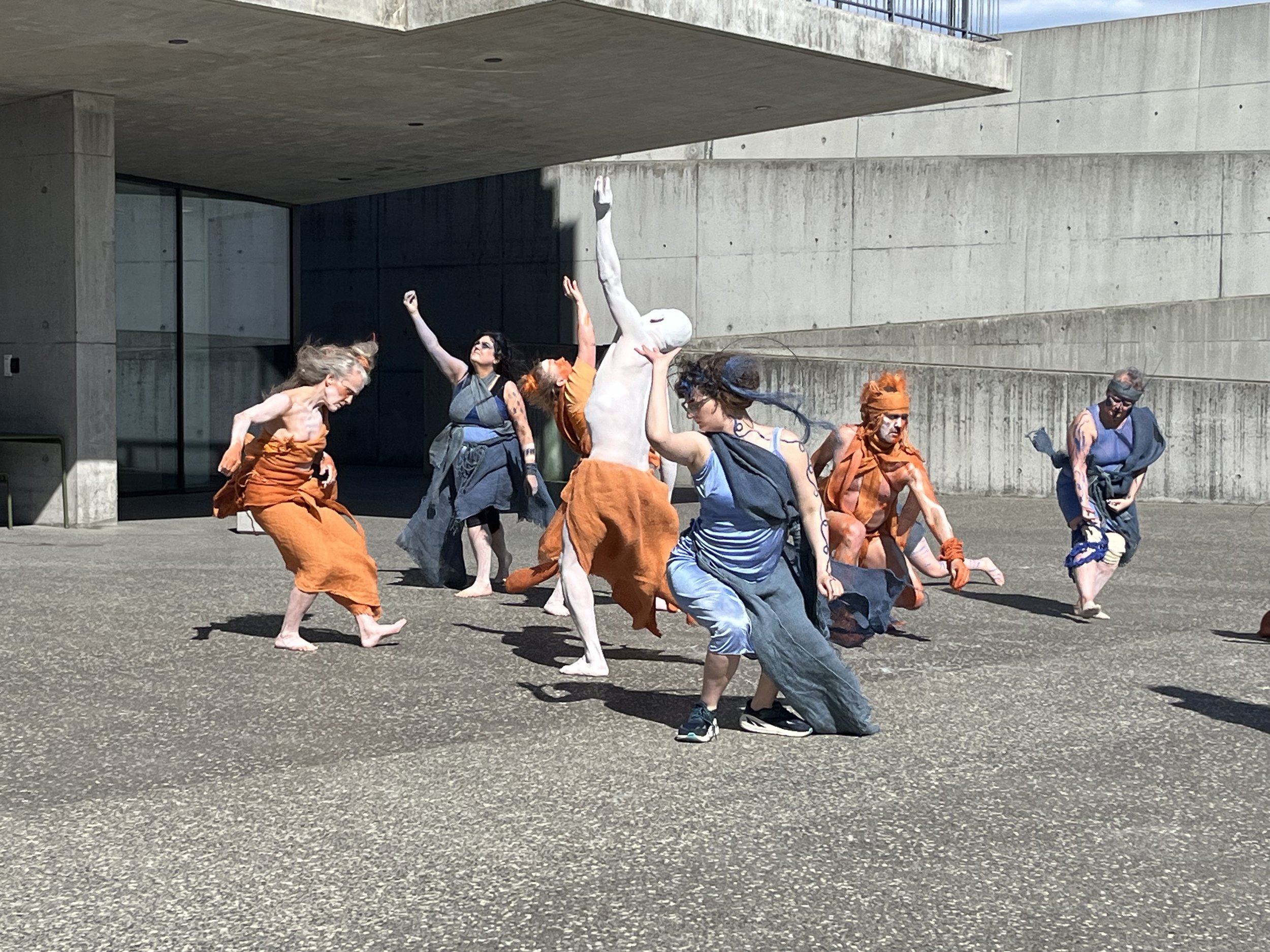
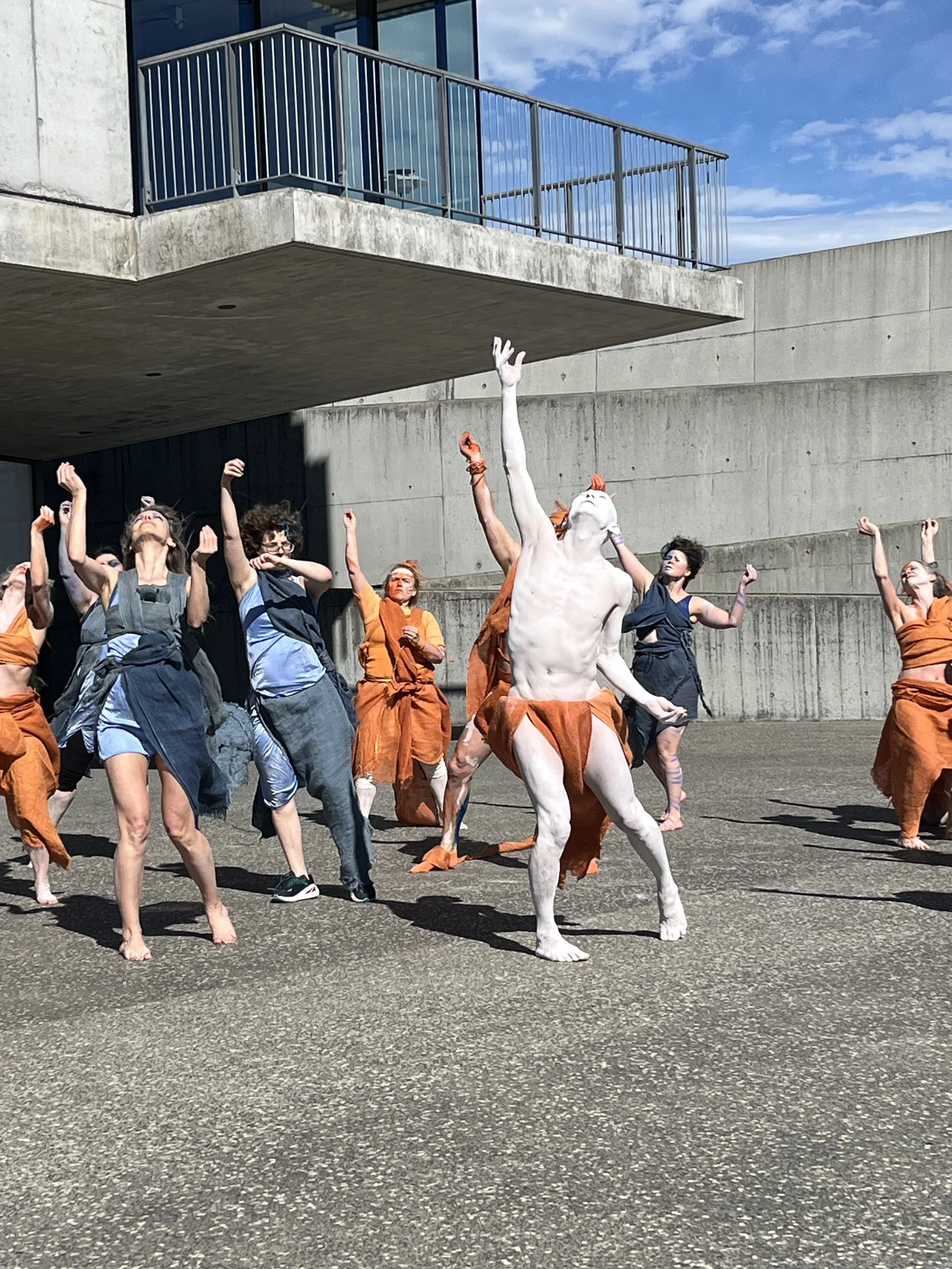
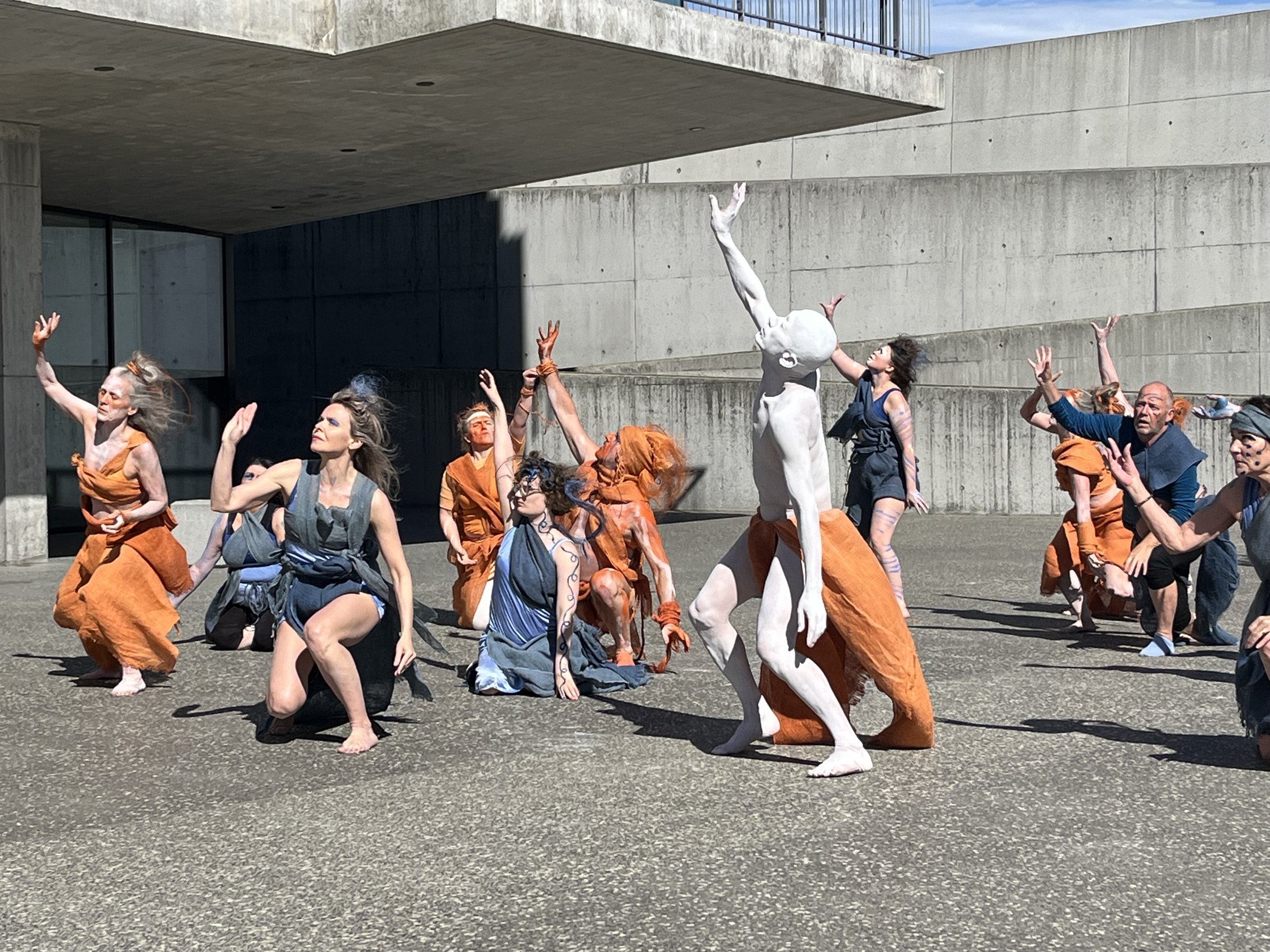
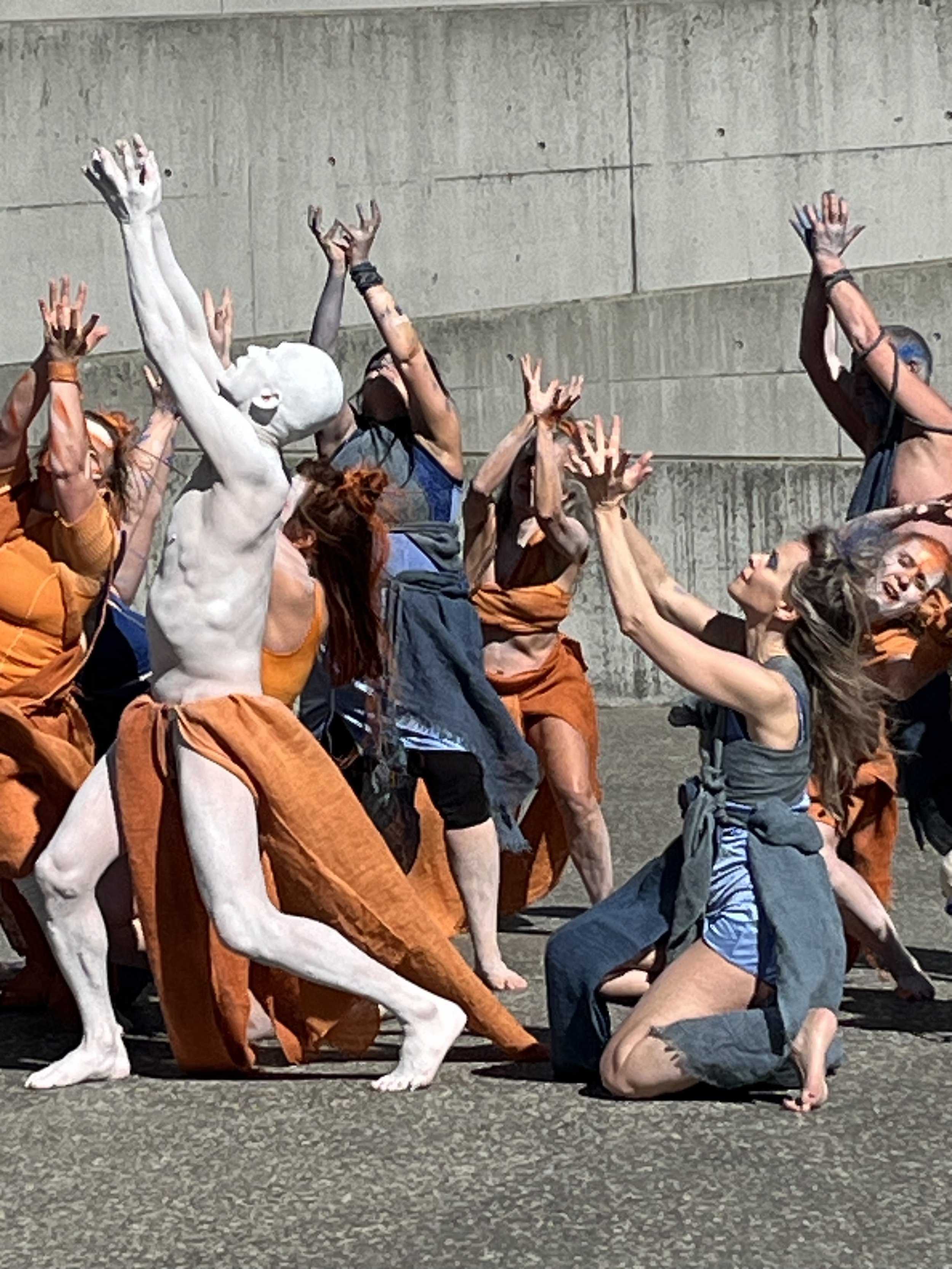
A unique opportunity to step into the world of Butoh dance in Iceland and immerse yourself in a journey of self-discovery and artistic expression under the expert guidance of Ichihara Akihito, a celebrated Butoh artist, soloist and dance master of the world renowned Sankai Juku dance company in Japan. The workshop is designed for both beginners and experienced performers, providing a safe and supportive environment to explore the essence of Butoh. Butoh is not just a dance form but also a philosophy and a way of life. It encourages a deep connection with the body and the subconscious, exploring the boundaries between the conscious and unconscious mind. Learn the fundamental techniques of Butoh, including its unique movement vocabulary and expressive potential. In the sessions, we will work on the ‘Ichihara method’, which is based on the ‘Sankai Juku method’, combined with physical training, improvisation, and choreographed sequences. Participants are invited to perform with Ichihara at the end of the workshop in the amphitheater of Veröld - Hús Vigdísar Finnbogadóttur. Costumes and make-up will be provided.
For Ichihara, Butoh and dance are about sharing and empathizing with images and experiences. We would be happy if the people who participated together enjoyed it and found it useful in their own activities and lives. Therefore, we will allow you to take photos and videos of the workshop. You are also free to post on SNS etc. We would be happy if it helps you spread the word about your activities and expand your network.
Held at Dansverkstæðið, Hjarðarhaga 47, 107 Reykjavík
Time: June 24 - 28 from 13:00 - 17:00
Price: 34.900.-
Early bird, ending June 17th: 27.900.-
*Check your union for refund
Biography
Akihito Ichihara is a Japanese Butoh dancer (ELF, Sankai Juku).
Ichihara started acting in his teenage years. In the 1980s, he was greatly influenced by watching the renowned Butoh troupe Sankai Juku on TV, which inspired him to explore a greater range of physical expression on stage. In 1993, he majored in theater at Nihon University College of Art. He was moved to pursue a Butoh career in 1994; in 1996, he studied under Semimaru, a founding member of Sankai Juku. In 1997, he appeared as a dancer in an opera directed by Ushio Amagatsu, the artistic director and choreographer of Sankai Juku, and later joined Sankai Juku. Since then, he has been featured in Sankai Juku’s entire repertoire and most of Sankai Juku’s world tours. Ichihara is very active in various media, including the performing arts: theater, dance, and Butoh. In addition to his solo projects, he has worked with the most significant butoh dancers and butoh troupes in the history of contemporary Butoh. Since the 2005 recreation of “Kinkan Shonen” (which premiered in 1978), he has danced solos in some of Sankai Juku’s performances and has led the group dances as one of the principal dancers. He is also in charge of the design and production of the accessories dancers wear on stage. Parallel to his work with Sankai Juku, he collaborates with various choreographers, directors, and dance groups worldwide. He is also a guest faculty at Okayama University Graduate School and a guest speaker at international forums. In 2022, he founded the dance company “ELF” with young dancers. Since then, ELF has held workshops and presented works at renowned institutions and universities worldwide. In the spring of 2023, ELF went on tour in Latin America in Bogota, Colombia, and various locations in Mexico, Taiwan and San Francisco. These activities received critical acclaim and repeat invitations. The company plans a world tour in 2024. For many years, Sankai Juku has continued to refine and systematize its techniques while performing around the world. Ichihara believes that this “Sankai Juku method” is the “dance d'école” of Butoh and is proud to have been deeply involved in this. Ichihara and ELF have received high acclaim worldwide with their workshops and performances based on the Sankai Juku method. While many underground and grotesque expressions exist in Butoh, Ichihara, and ELF’s Butoh dance has deeply resonated with people worldwide. This dance is based on the “Sankai Juku Method,” a method accessible to everyone. By developing this method, Ichihara aims to go beyond Butoh by developing a dance technique that can bring a higher level of excellence to professional dancers in ballet, modern, and contemporary dance. Ichihara hopes to continue learning, collaborating, progressing, and contributing to the development of dance worldwide. He is interested in creating and directing various dance projects that transcend borders, cultural differences, and styles of expression. His goal is to do this worldwide, even between countries and cities that still bear the scars of war. He would like to contribute by acting as a bridge and connecting people across the borders despite their differences. By sharing physical expressions, dancing, and empathizing with each other, the hope is to transcend borders and contribute to peace efforts worldwide. Based on this idea, ELF advocates a ”Dance Project without Borders.”
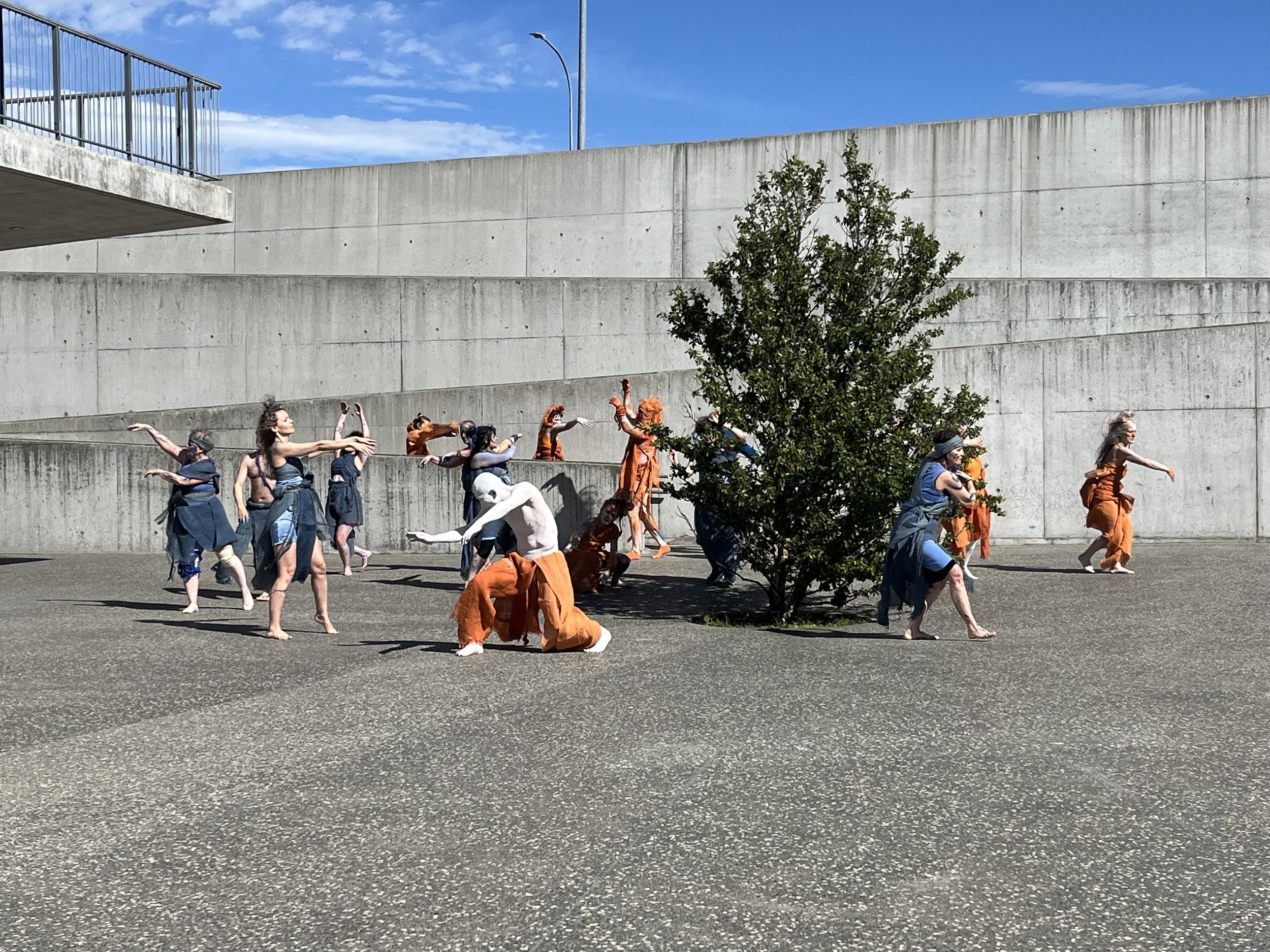
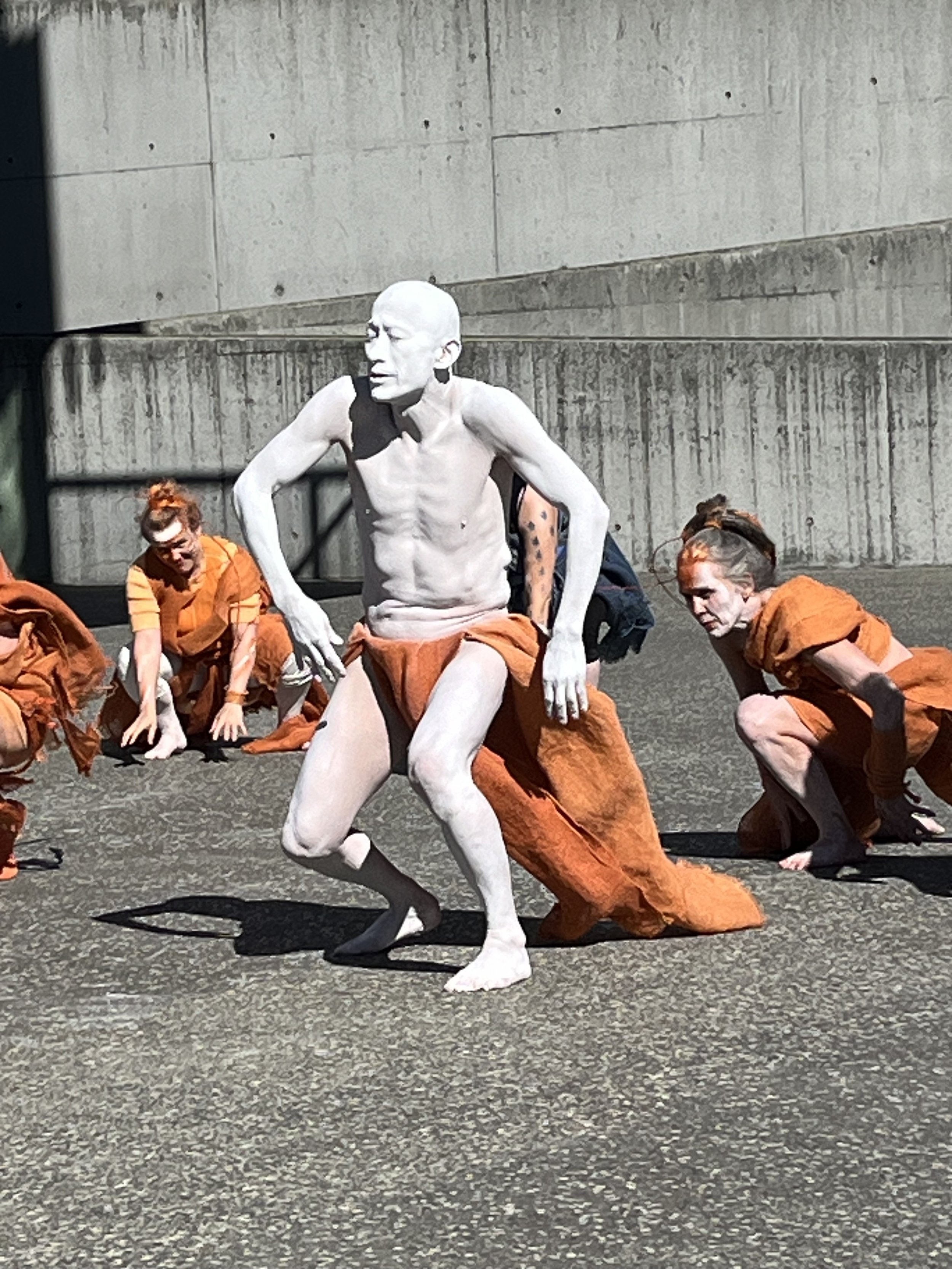
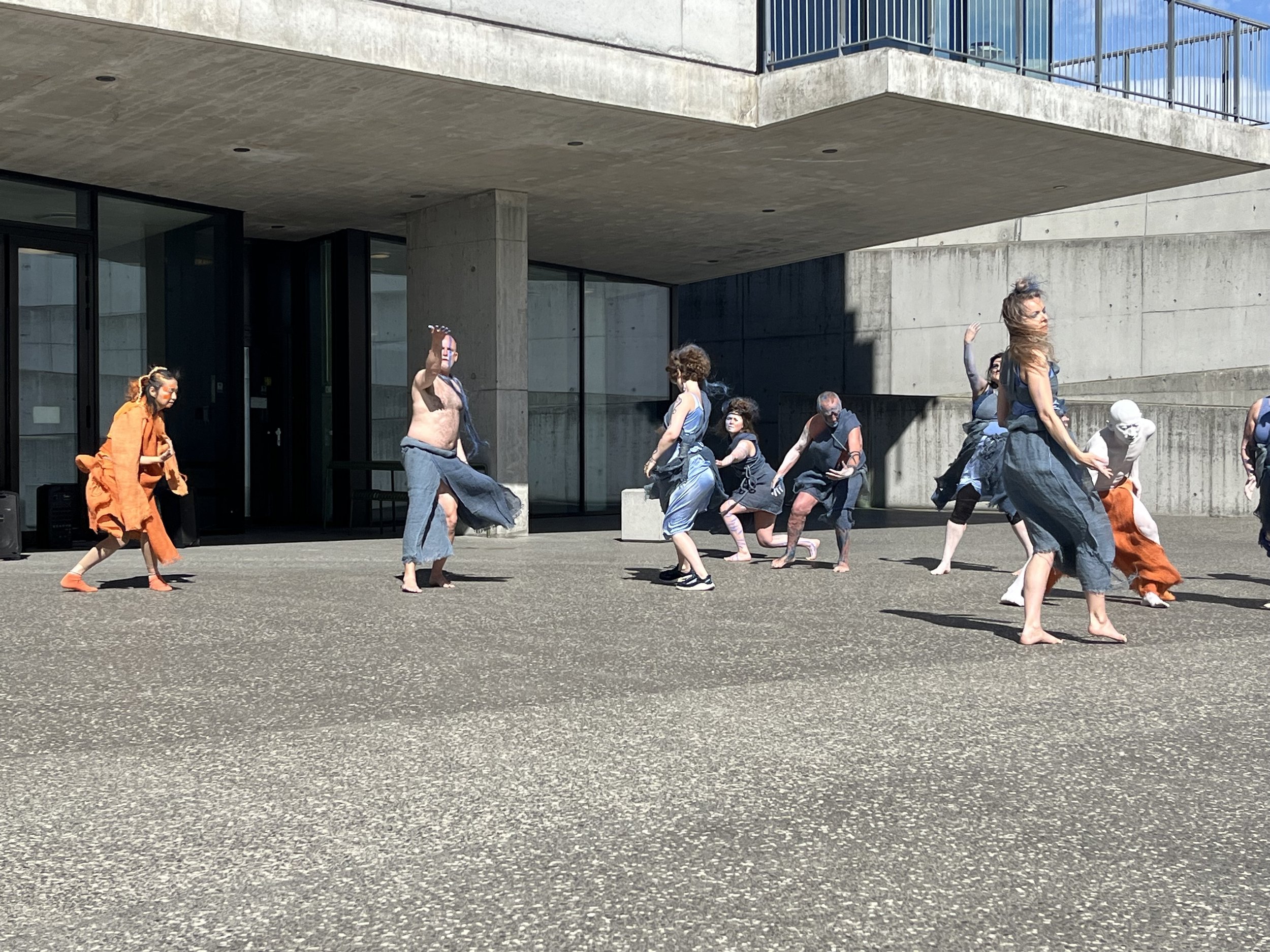
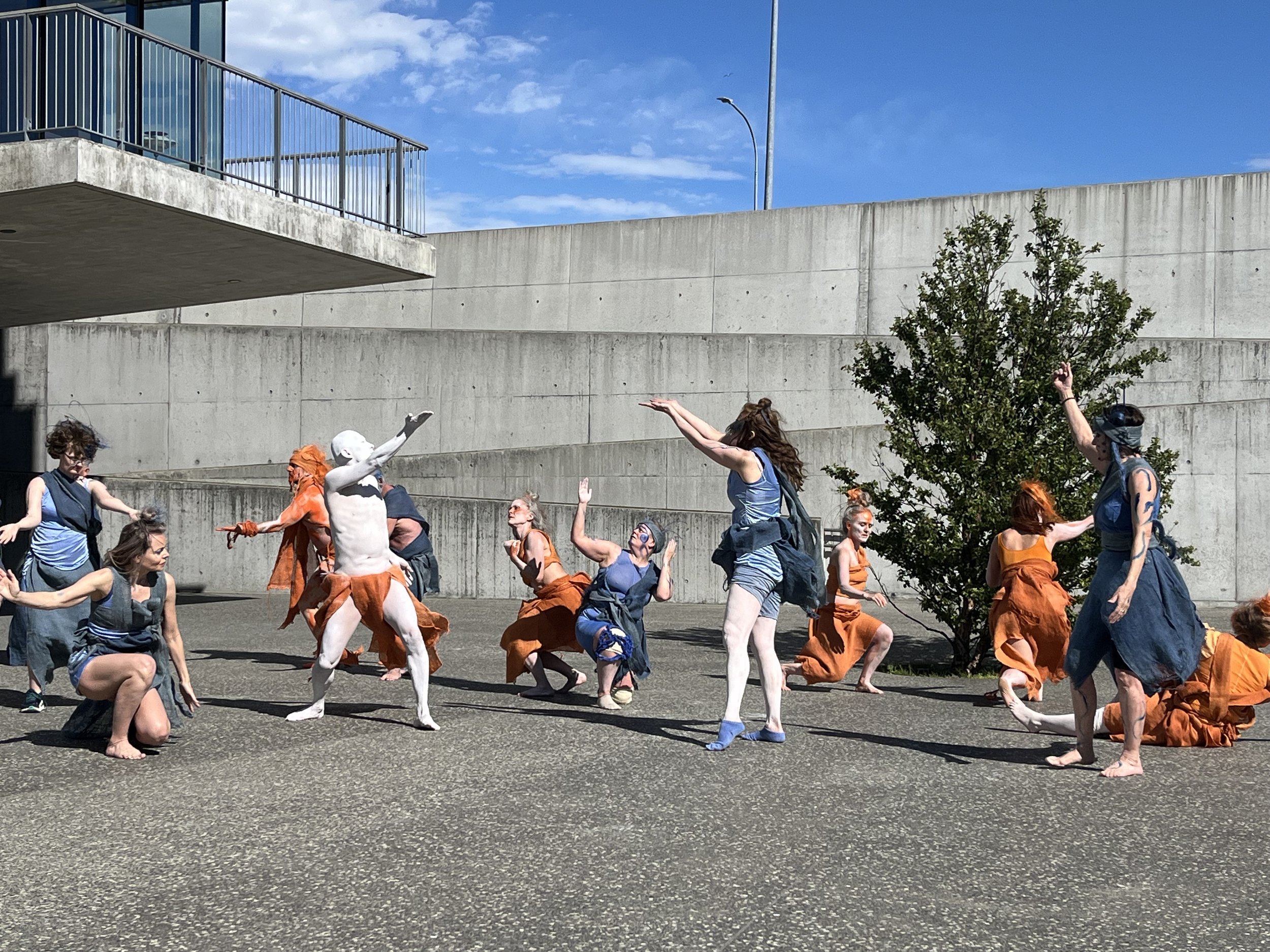
Butoh dance performance held at the end of the workshop at Vigdísartorg amphitheater at Veröld - House of Vigdís Finnbogadóttir.
Photos: María Theodóra Ólafsdóttir